
Indie game development sounds like a dream, right? Creative freedom, massive success. But let’s face it: the reality is fierce competition and endless work.
Most guides out there? Useless. They’re vague, full of fluff.
You want a real playbook, a guide that cuts the noise. We’ve dug deep, examining what makes successful indie game developers thrive. It boils down to this: a killer gameplay loop and a passionate early community.
This isn’t theory. It’s a roadmap. Trust us, we’ve consulted top developers.
Ready to escape the fluff and get the real deal? Dive in, and let’s get you started.
The Indie Dream vs. The Brutal Reality Check
So, you want to be the next Eric “ConcernedApe” Barone? Awesome. Now let’s get real.
You’re diving into a world where indie game developers face market saturation like never before. Thousands of games flood Steam every year. It’s like trying to stand out in Times Square on New Year’s Eve.
Seriously, how do you get noticed? The “discoverability” crisis isn’t just a buzzword (it’s) the boss fight you didn’t see coming. And guess what?
You’re not just a creative genius. You’re also a business owner.
Let’s break it down. As an indie dev, you’re a programmer, artist, sound designer, marketer, community manager, and accountant. Wearing all these hats can feel like you’re in a never-ending episode of a reality show.
You know the one where contestants juggle flaming swords? Yeah, like that.
But hey, I’m not here to discourage you. Just think of this as knowing the boss fight mechanics before you enter the room. It’s a game, after all, right?
You need a plan. You need to be smart. Luckily, with the right focus and plan, you can tackle these challenges head-on.
And trust me, the rewards are worth it. We’ll explore how you can get through these hurdles and succeed. Check out the latest trends shaping game industry to equip yourself with what’s happening now.
Remember, it’s not just about making a game. It’s about making it survive in a crowded arena. Ready to play?
Nailing the Core Loop: The One Mechanic That Matters Most
You want to dive into your epic world, right? Wrong. Focus on nailing the core loop first.
This is the 15-30 seconds of gameplay that your player will repeat over and over. It’s simple, but it’s the heartbeat of your game. Miss this, and you’ve lost your players before they’ve even begun.
Think of it as the engine of your car (without it, you’re going nowhere fast).
Why do indie game developers mess this up so often? They get sucked into crafting a massive universe or storyline. But that’s like building a castle on quicksand.
Without a solid core loop, your grand narrative will sink. Let’s get real about this. You’ve seen it work flawlessly in “Celeste” with that addictive jump-dash-climb.
Or how about the plant-water-harvest-sell in “Stardew Valley”? These loops are magic. They’re why people keep coming back.
Pro tip: prototype with simple shapes. If your basic square jumping is fun, you’re onto something. Don’t even think about shiny graphics until your core mechanic stands on its own two feet.
Prototype. Test. Refine.
It’s a mini-system, really. But, it’s key. Sounds tedious?
Maybe. But it’s how you’ll discover if your loop is compelling.
Why should you care? Well, a strong core loop is your best marketing tool. Short, punchy GIFs and videos of your loop can go viral (and make you a star).
This is what makes people want to work with indies. They want to be where the action is.
Does it sound daunting? Good. It means you’re getting it.
Perfecting your core loop isn’t just a step. It’s the step. Nail this, and everything else.
The story, the world, the characters (falls) into place. You’ll thank yourself when players can’t put your game down.
The Lean & Mean Toolkit: Important Gear for Indie Creators
Got a big idea but not a big budget? Welcome to the world of indie game developers. You don’t need to spend a fortune to get from concept to prototype.
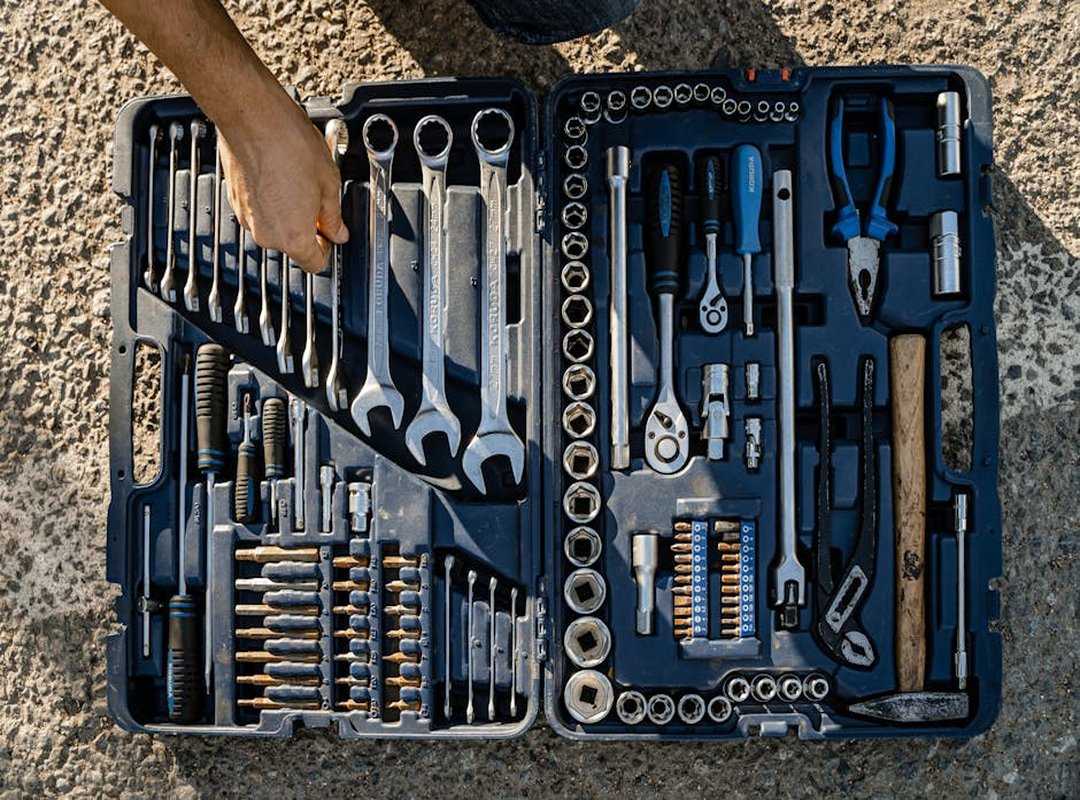
Let’s talk tools.
Game Engines first. Unity and Godot are your go-to options. Unity’s popular, sure. But Godot? It’s the scrappy underdog. Open-source and beloved by many indie game developers. It’s like the indie film of game engines. You get the control without the cost.
Next up, Art & Assets. Aseprite is perfect for pixel art. Don’t sleep on Blender for 3D modeling, especially when it’s free.
Need assets? Check out Kenney.nl for high-quality freebies. It’s a lifesaver when you’re on a shoestring budget.
Now to Audio. Audacity is your friend for recording and editing. Don’t complicate things.
Need sound effects? Sonniss offers a treasure trove of free sound libraries. You’ll find everything from eerie footsteps to thunderous explosions.
Finally, Organization. Keep it simple with tools like Trello or Notion. They’re perfect for tracking tasks and progress.
Don’t overdo it with complex systems. Simplicity is key. It’s easy to get lost in the weeds, but focus is your friend.
And hey, while you’re diving into this world, ever wonder how esports transforming gaming world? It’s fascinating how this competitive edge is reshaping everything. Keep it lean, keep it mean, and above all, keep creating.
From 0 to 1,000 Fans: Building Your Day-One Army
Listen up, indie game developers. You’re probably itching to get your game out there. But here’s the kicker: stop thinking about marketing and start thinking about community building.
This isn’t about selling; it’s about finding your tribe.
Who will fall in love with your game? Who will talk about it to anyone who’ll listen? That’s your aim.
Start by setting up a Discord server and a developer account on Twitter or TikTok. Do it now. Not when you’re done.
You want to connect with people who will stand by you when things get tough. Show them what you’re working on. Share short videos of your game mechanics.
It’s like a sneak peek into your creative process. People love that stuff.
Got a new character design? Ask for feedback. Folks love to be part of something.
And oh, the development challenges? Talk about them. Show them you’re real.
Imperfect.
Now, the power of niche communities. Find relevant subreddits like r/roguelikes or r/cozygamers and genuinely participate. Don’t just drop links to your game.
They hate that. Give value, share stories, and the rest will follow. Remember those communities are gold mines.
They will be your playtesters, your buzz generators, your first buyers.
You need them for the day of your grand launch. And believe me, you need them to combat the discoverability crisis. Yes, that’s a thing.
Simple? Yes. Easy?
So, build your day-one army now. Engage them, excite them, and in return, they’ll become your game evangelists. That’s how you make sure your indie game doesn’t get lost in the sea.
Maybe not. But that’s the path for indie game developers aiming to conquer the industry. Let’s make your game the next big thing.
Start Building Today
Being an indie game developer is tough. Passion won’t cut it. Dive into a fun core loop and grow that community from day one.
Your masterpiece won’t build itself. Open up that engine and make something awesome today. Don’t wait for inspiration.
Just start building. What’s stopping you?