
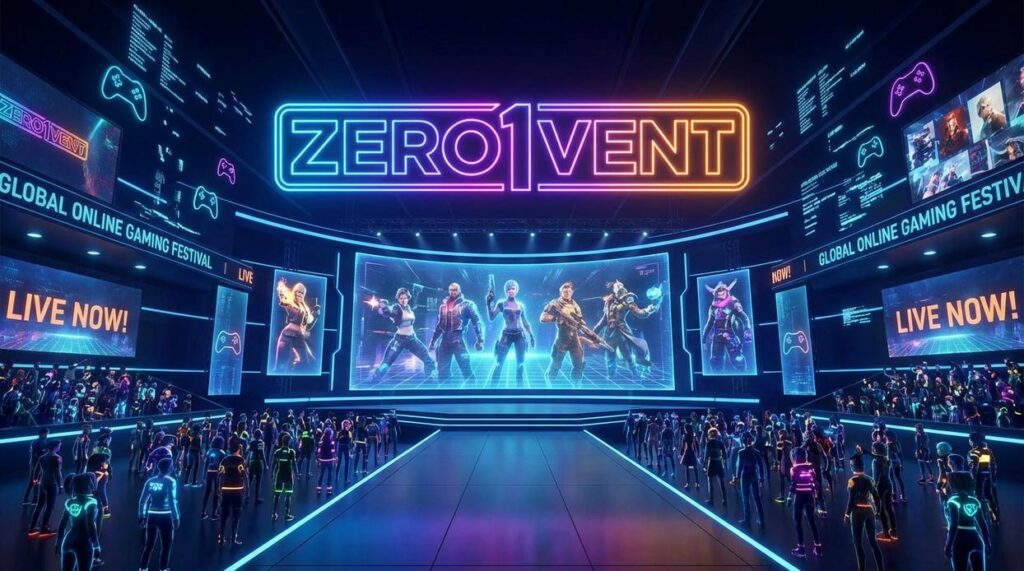
I’ve been covering competitive gaming events for years, and zero1vent keeps raising the bar.
You’re probably here because you heard about zero1vent and want to know what the fuss is about. Or maybe you’ve been following it but can’t keep up with all the changes this season.
Here’s the thing: zero1vent is massive. It’s where the competitive season lives or dies. But the scale can be confusing if you’re new, and even veterans miss updates that matter.
I watch every major tournament and break down the mechanics that separate good players from pros. That’s how I know what actually matters at zero1vent versus what’s just noise.
This guide covers everything you need to know about zero1vent. The format, the competition structure, what’s new this year, and how to follow the action.
Whether you’re a fan who wants to understand what you’re watching, an aspiring competitor trying to break in, or just someone who wants to stay current with the biggest event in competitive gaming, you’ll find what you need here.
No fluff about how exciting it all is. Just the information that helps you get the most out of zero1vent.
Deconstructing Zero1Vent: More Than Just a Tournament
You’ve probably seen a dozen gaming events this year alone.
Some are just big LAN parties with prize pools. Others feel like trade shows where publishers show off trailers between matches.
So what makes Zero1vent different?
Let me break it down.
The Zero1 Philosophy
The name isn’t random. It comes from the binary reality of competitive gaming at the highest level.
You either win or you lose. One or zero. No participation trophies. No moral victories.
Every match ends with someone on top and someone going home. That’s the whole point.
Some events try to soften this. They create consolation brackets or participation rewards to make everyone feel included. And look, I get why they do it. Nobody wants to seem harsh.
But here’s what they miss.
Real competitors don’t want their losses cushioned. They want clear outcomes so they know exactly where they stand and what they need to fix.
Who Shows Up
Zero1vent pulls three distinct groups.
First, you’ve got the elite pro teams. These are players who’ve already proven themselves in regional circuits and international competitions. They show up to defend their rankings and claim prize money.
Then there are the rising stars from open qualifiers. These players grind through preliminary rounds just to earn a spot on the main stage. Some of them are unknowns who’ll shock everyone (it happens every year).
Finally, there’s the community. Fans who watch every match, spectators who fill chat with analysis, and casual players who just want to see the game played at its peak.
Traditional gaming conventions focus on the third group. They prioritize accessibility and broad appeal over competition.
Pure esports tournaments cater almost exclusively to the first group. If you’re not competing, you’re basically watching from the sidelines.
Zero1vent sits between them. The competition is real and the stakes matter. But the event structure makes it watchable and engaging even if you’re not the one playing.
How It Flows
The event kicks off with opening qualifiers. This is where hundreds of teams get filtered down to the ones who actually deserve a championship slot.
Then you move into group stages and elimination brackets. Matches get tighter. The skill gap narrows.
By the time you reach Grand Finals, you’re watching the absolute best go head to head for the title.
It’s not complicated. But it works.
The Main Arena: Featured Games and Competitive Circuits
Every year, people ask me the same question.
What games actually make it to the main stage at the hosted event zero1vent?
It’s not random. There’s a method to it.
Some critics say we focus too much on established titles. They argue that sticking with proven games like Aether Clash and Velocity Rush keeps the scene stale. That we should take more risks on newer titles.
I hear that. But here’s what they don’t see.
The main stage isn’t about experimenting. It’s about showcasing the highest level of play. Games earn their spot because they’ve proven they can deliver when it matters.
What Makes a Main Stage Game
Aether Clash sits at the top for a reason. The tactical depth is real. Teams spend months developing strategies that can fall apart in a single misread. (I’ve watched teams throw entire tournaments on one bad rotation call.)
Then you’ve got Velocity Rush on the opposite end. Pure mechanical skill. No hiding behind team composition or map knowledge. Just you, your reflexes, and whether you can hit your lines under pressure.
The tournament structure follows a pretty standard format. Round-robin groups sort out who belongs in the conversation. Then we move into double-elimination brackets where things get tense. One bad series and you’re fighting through the lower bracket. Two losses and you’re done.
The prize pool at the online game event zero1vent? It’s changed careers. I’ve seen players go from grinding in their parents’ basement to signing contracts that set them up for years. The championship title carries weight too. Sponsors notice. Teams rebuild around winners.
But here’s where it gets interesting.
The Incubator Circuit is where I’m watching closely. We bring in games that aren’t quite ready for the main stage but show real competitive potential. Think of it as a testing ground. Some will flop. But I’m betting at least two titles from this year’s incubator will be main stage games within eighteen months.
My prediction? We’ll see a shift toward games with shorter match times. Audiences want intensity, and three-hour slugfests don’t cut it anymore. Look for fast-paced team games that blend mechanical skill with quick decision-making.
The arena’s changing. You can either pay attention or get left behind.
Beyond the Main Stage: Community, Strategy, and Tech

Most people think gaming event online zero1vent is just about watching pros compete.
They’re missing half the experience. We explore this concept further in Online Gaming Event Zero1vent.
Sure, the main stage matches are exciting. But if you only watch the streams, you’re skipping the parts that’ll actually make you better at the game.
Here’s what I mean.
Community and Multiplayer Events vs. Pro Tournaments
The main stage is for watching. The side events are for playing.
I’ve seen players debate this. Some say you should spend your time studying the pros. Others argue you learn more by getting your hands dirty in the casual arenas.
Both have a point. But here’s what they miss.
You need both. Watching teaches you what’s possible. Playing teaches you what works for your skill level.
The side tournaments and fan challenges give you real match experience without the pressure of ranked play. You can test new strategies. Make mistakes. Figure out what clicks.
The multiplayer arenas? Those are where you meet people who actually want to run drills and practice specific scenarios. Not just grind for rank.
Strategy Workshops vs. YouTube Guides
Now let’s talk about learning the game.
You can watch a hundred YouTube videos about advanced tactics. Or you can sit in a workshop where pros and analysts break down mechanics in real time and answer your questions.
The difference is huge.
YouTube gives you theory. Workshops give you application. When you can ask “why did you choose that angle instead of this one,” you learn faster than any video can teach you.
These panels cover stuff you won’t find in patch notes. Frame data. Positioning nuances. Decision trees that separate good players from great ones.
Tech Clinics vs. Trial and Error
Here’s the part most gamers get wrong.
They blame their hardware when they lose. Or they spend hours tweaking settings based on Reddit threads that may or may not apply to their setup.
The performance clinics cut through that noise. You get actual experts showing you driver configurations that matter. Latency reduction techniques that work. In-game settings optimized for competitive play, not just pretty graphics.
I’ve watched players gain 20ms response time just by fixing settings they didn’t know existed.
That’s the difference between a clean shot and getting beat to the trigger.
Look, you don’t have to do everything. But if you’re only watching the main stage, you’re leaving value on the table.
How to Watch and Participate in the Next Zero1Vent
I messed this up my first time.
Showed up to watch a Zero1Vent match and couldn’t find the right stream. Missed the entire opening bracket because I was clicking through random YouTube channels that weren’t even official.
Don’t be me.
Here’s what you actually need to know.
For Spectators
The official streams run on Twitch and YouTube. But here’s where I went wrong (you can learn from my mistake). There are TONS of restream channels that pop up during events. Most of them are delayed or low quality.
Stick with the verified channels. They’ll have the checkmark. They’ll also have multi-language options if English isn’t your thing.
The schedule gets posted about a week before each event. Bookmark it. I didn’t, and I kept missing matches I wanted to see.
For Aspiring Competitors
Some people think you need to know someone to get in. That’s not true. Game Event of the Year Zero1vent picks up right where this leaves off.
The open qualifier system is exactly what it sounds like. Open. You register your team through the official zero1vent portal and you’re in.
You’ll need a full roster (no solo entries) and everyone needs to meet the minimum account requirements. Usually that means account age and a certain rank threshold.
I tried to register with a team that had a brand new account once. Got rejected immediately. Save yourself the headache and check requirements first.
Maximizing Your Experience
Want the real pro tip? Follow specific player POV streams during matches. You’ll learn more in one game watching how top players position themselves than you will from a month of regular play.
Live chat polls are fun but they also give you in game drops sometimes. I ignored them for months before I realized what I was missing.
Why Zero1Vent is the Heartbeat of the Game Industry
You now have the full picture.
From the competitive core to the community-driven events, you know what makes Zero1Vent tick.
I get it. The event’s size can feel overwhelming at first. Walking into something this massive without a roadmap is intimidating.
But that’s exactly why understanding the structure matters so much.
When you know the games, the schedules, and how to get involved, everything clicks. You’re not just another face in the crowd anymore. You’re ready to compete or spectate like you belong there (because you do).
Here’s your next move: Mark your calendar for the next event. Follow the official channels so you catch qualifier announcements when they drop. Start preparing now.
The future of competitive gaming happens at Zero1Vent. You don’t want to watch it from the sidelines.
Show up ready.