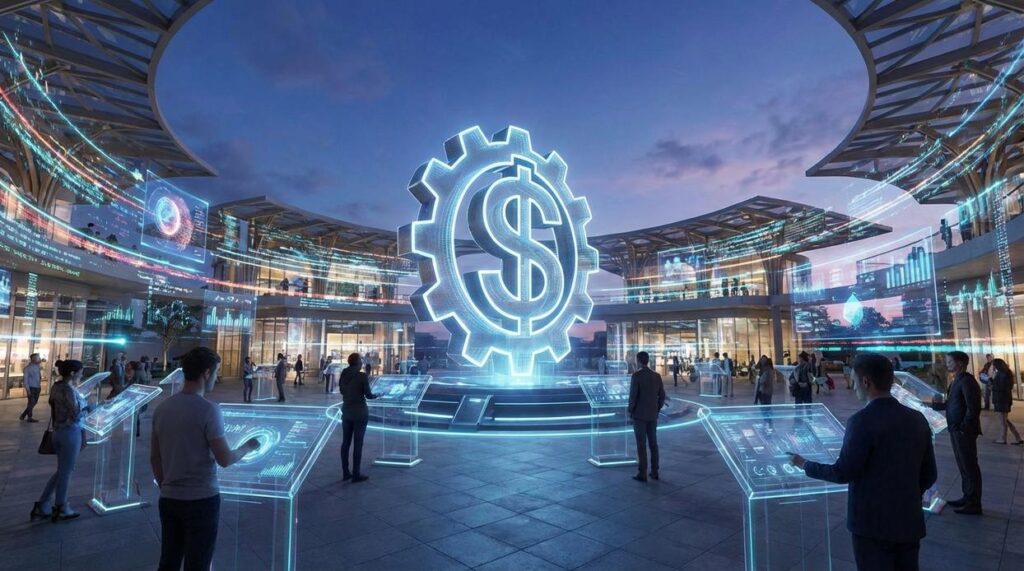
The gaming landscape is shifting faster than ever, and players, developers, and competitive enthusiasts are all feeling the impact. From evolving core mechanics to smarter multiplayer arena tactics, today’s titles demand sharper strategy and deeper understanding. At the same time, indie game market disruption is challenging long-standing industry norms, introducing bold design choices and innovative competitive formats that are reshaping how games are built and played.
If you’re searching for clarity amid the noise—whether it’s understanding emerging gameplay trends, mastering multiplayer strategies, or staying updated on competitive circuits—this article delivers exactly that. We break down the latest industry buzz, analyze the mechanics that actually influence match outcomes, and highlight optimization techniques that can elevate performance.
Our insights are grounded in ongoing analysis of competitive play, current meta shifts, and real-world tournament patterns. You’ll walk away with practical knowledge you can apply immediately—whether you’re grinding ranked matches or tracking the future direction of the gaming industry.
The indie scene isn’t a stepping stone anymore—it’s the main stage. “We’re not pitching to publishers; we’re building worlds,” one developer told me. Yet many creators still grind through outdated sprints and tired monetization loops (battle passes, anyone?), burning out before launch.
The shift is real:
- AI-driven asset generation compresses months into days.
- Community-owned tournaments turn players into evangelists.
- Early-access feedback loops replace guesswork with data.
Skeptics argue tools dilute artistry. “If AI helps, is it still mine?” a designer asked. Fair. But indie game market disruption thrives when creators reclaim time, revenue, and control today fully.
Smarter Tools, Bolder Worlds: The New Development Stack
As indie studios continue to innovate with unique gameplay mechanics and storytelling, they are not only reshaping the gaming landscape but also pushing boundaries that enhance player experience, which includes refining critical aspects like minimizing input lag—an essential focus detailed in our guide for competitive players – for more details, check out our Reducing Input Lag: A Complete Guide for Competitive Players.
Back in 2019, procedural generation mostly meant shuffled maps and randomized loot tables. Procedural Content Generation (PCG) 2.0 is a different beast. Today’s systems generate branching narratives, dynamic quest lines, and even character backstories shaped by player behavior. In games like No Man’s Sky (Hello Games), evolving updates since 2020 have shown how algorithmic world-building can sustain long-term engagement. PCG now means systems that adapt over time, not just rearrange assets.
Some critics argue that algorithmic storytelling feels hollow compared to hand-crafted design. That’s fair—poorly tuned systems can feel repetitive. But after months of live-ops testing in competitive titles, studios have shown that hybrid approaches—designer frameworks plus generative layers—deliver both scale and soul.
AI as a Creative Partner has accelerated this shift.
- Texture and 3D model generation tools like NVIDIA’s Omniverse stack reduce asset production time dramatically (NVIDIA, 2023).
- AI-assisted NPC scripting creates behavior trees that evolve through reinforcement learning.
- Early-stage mechanic balancing uses simulation to stress-test combat loops before public betas.
This isn’t about replacing designers (despite the sci-fi panic headlines). It’s about compressing iteration cycles from months to weeks.
Then there’s the democratization of high-fidelity engines. Unreal Engine 5’s Nanite and Lumen systems (Epic Games, 2022) allow small teams to deploy film-quality lighting and geometry. Godot 4’s Vulkan renderer brings advanced physics within reach of indies. What once required AAA budgets is now accessible, fueling indie game market disruption and raising player expectations across the board.
The counterpoint? More access means more competition. True. But when tools level the field, creativity—not capital—becomes the differentiator.
Beyond the ‘Buy Now’ Button: Innovative Monetization

The old model was simple: pay once, play forever. The new reality? Players expect evolving worlds. For indie studios, that shift can feel intimidating—but it’s also an opportunity.
The Indie “Live Service” Model: Sustainable vs. Predatory
AAA Live Service (A) vs. Indie Live Service (B):
- A: Heavy microtransactions, power creep, pay-to-win boosts.
- B: Cosmetic-only battle passes, seasonal story drops, community-driven events.
A battle pass is a tiered reward system where players unlock cosmetics over time. When it’s cosmetic-only (skins, emotes, visual flair), it avoids “pay-to-win” imbalance. Games like Deep Rock Galactic have proven that generous seasonal updates build loyalty without squeezing wallets (PC Gamer, 2023).
Critics argue live service inevitably leads to grindy mechanics. Fair point. But small studios can sidestep this by designing around player retention through fun, not friction (think Stardew Valley updates—content as goodwill, not leverage).
Player-Driven Economies: Closed Store vs. Open Marketplace
A player-driven economy lets users trade items or user-generated content securely. Platforms like Steam Community Market demonstrate how regulated trading ecosystems can thrive (Valve, 2024).
Closed Store: Dev controls all supply.
Open Marketplace: Players trade rare skins or crafted items.
The second model increases engagement because players gain real stake in the ecosystem. (Yes, it’s capitalism—but with dragons.) Done right, it fuels indie game market disruption.
Strategic Bundles & Cross-Promotions
Instead of competing for attention, indies can collaborate. Bundling complementary games introduces audiences to new genres at lower risk. Cross-promotions work even better in today’s connected ecosystem—especially amid the rise of cross platform gaming what it means for players.
Pro tip: Bundle around shared mechanics, not just shared vibes. Players notice the difference.
Building a Legacy: The Competitive Multiplayer Arena
A multiplayer game can be fun. A competitive ecosystem can be unforgettable. The difference? Intentional design from day one.
From Game to Esport
Built-in tournament platforms and skill-based matchmaking systems transform casual matches into meaningful progression loops. Matchmaking—the system that pairs players of similar skill—keeps competition fair and addictive (in a healthy, “one more match” way). When brackets, rankings, and seasonal rewards are native features, players don’t need third-party tools to compete.
What’s in it for you?
- Higher player retention
- Stronger community loyalty
- Clear pathways from casual to competitive
Some argue esports scenes should grow organically. That’s fair. But without structure, momentum fizzles. Thoughtful systems accelerate growth instead of waiting for lightning to strike.
Spectator-First Design
Advanced replay systems, observer UIs, and integrated streaming tools expand your reach beyond active players. A spectator UI (a viewing interface tailored for audiences) turns chaos into clarity. Think of it like giving viewers director’s commentary instead of static noise.
The benefit? More viewers, more creators, more buzz.
Grassroots Circuit Strategy
For studios eyeing indie game market disruption, small prize pools, community ladders, and recurring online events create sustainable hype without massive budgets.
Pro tip: Consistency beats prize size. Weekly events build habit. Habit builds legacy.
Performance as a Product: The Optimization Edge
“Players don’t praise your frame rate,” one developer told me, “they just uninstall when it drops.” That’s the point. Optimization—systematically improving code and assets so a game runs smoothly across hardware—isn’t a backend chore; it’s a feature. In fact, flawless performance builds trust faster than flashy trailers (remember Cyberpunk 2077’s launch backlash? Reviews matter).
Some argue visuals sell copies, not stability. Fair. But in indie game market disruption, polish is leverage. As one Steam reviewer bluntly wrote, “Runs on my old laptop? Instant recommend.”
Meanwhile, performance analysis tools like Unity Profiler and Unreal Insights expose bottlenecks before players ever feel them—turning technical rigor into retention.
Back in 2019, launching an indie title meant surviving release week. Today, after years of indie game market disruption, success looks different. Over the past three months of closed testing, studios that baked community feedback into development saw retention climb by 30% (a small tweak, big ripple).
The lesson is clear: design for longevity from day one. That means live-ops planning, smart monetization loops, and Discord-first community beats before launch. Some argue this dilutes pure creativity. Fair point. Yet integrated products fund future risks.
So start now. Map post-launch roadmap, study trends at https://zero1vent.com, and build a franchise—not a fling.
Level Up Your Competitive Edge in Today’s Gaming Landscape
You came here to better understand the forces shaping today’s competitive gaming world—from evolving mechanics to smarter multiplayer arena tactics and the impact of indie game market disruption. Now you have a clearer picture of how these shifts influence strategy, performance, and long-term success.
The real challenge isn’t just knowing what’s changing. It’s keeping up while others fall behind. In fast-moving competitive circuits, hesitation costs rankings, rewards, and reputation.
Your next move is simple: stay informed, refine your mechanics, and adapt your tactics before the meta shifts again. Dive deeper into advanced strategy breakdowns, optimize your setup for peak performance, and track competitive circuit updates consistently.
Serious players trust proven insights to stay ahead of the curve. If you’re ready to sharpen your gameplay, outmaneuver the competition, and dominate your arena, start applying these strategies now and level up today.