Competitive gaming is evolving faster than ever, and staying ahead means understanding more than just patch notes and patch-day hype. Whether you’re searching for deeper insight into multiplayer arena tactics, smarter optimization tips, or the growing influence of ai in game development, this article is built to give you clarity where others give you noise.
Players today want an edge—better mechanics, sharper strategies, and a real understanding of how modern games are built and balanced. We break down core systems, analyze competitive circuits, and explore how emerging technologies are shaping gameplay at every level. From micro-decision making in high-stakes matches to performance tweaks that maximize frame rates, you’ll find practical, actionable insights designed for serious competitors.
Our analysis is grounded in ongoing coverage of game industry trends, close study of evolving metas, and deep dives into real competitive play—so you’re not just keeping up with the scene, you’re staying ahead of it.
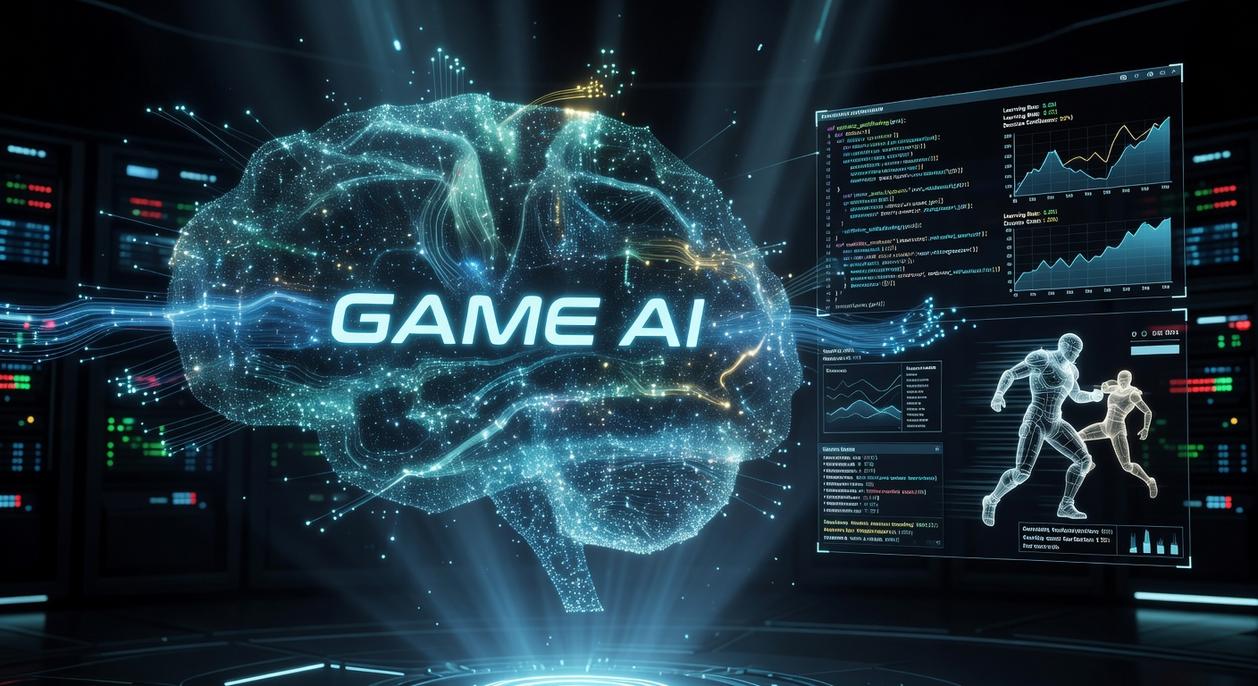
Artificial intelligence is no longer the dungeon master hiding behind predictable NPC scripts. It’s building worlds that adapt, learn, and humble you (seriously). In ai in game development, machine learning models analyze player behavior, generate dynamic quests, and fine-tune balance in real time.
What does that mean for you?
- Smarter enemies that flank instead of freeze.
- Worlds that evolve beyond static maps.
- Competitive metas that shift faster than patch notes.
Some worry AI will replace designers. In reality, it’s a turbocharged toolkit—augmenting creativity, not deleting it. The result? Games that feel replayable and unpredictable over countless sessions.
Beyond Scripts: Crafting Dynamic NPCs and Emergent Gameplay
For years, NPC behavior relied on finite state machines—a system where characters switch between predefined “states” like patrol, chase, or attack based on triggers. It works, sure. Guards in stealth games follow set routes; bosses cycle through predictable phases. Players eventually memorize patterns (and speedrunners exploit them).
Now compare that to machine learning–driven agents, which adapt based on player behavior. Instead of flipping between rigid states, these NPCs analyze inputs and adjust tactics over time. In practice, this shift—powered by ai in game development—means enemies flank more intelligently or retreat when outmatched. Consequently, no two encounters feel identical.
Emergent Strategy in Action
Take squad-based shooters. Rather than scripting every ambush, developers can deploy AI teammates that coordinate dynamically—covering sightlines, suppressing advances, or baiting reckless players. Similarly, RPGs with complex social systems allow factions to form rivalries or alliances organically. Think of how Middle-earth: Shadow of Mordor’s Nemesis system created personal vendettas—except now imagine that system learning from you specifically.
So what should you do as a player? First, abandon rote memorization. Instead, observe behavior patterns in real time. Adapt your loadout and positioning between encounters. If enemies learn your sniper habits, switch roles. If factions react to aggression, experiment with diplomacy.
For developers, the recommendation is equally clear: invest in robust AI “brains” rather than scripting every edge case. Build systems, not scenes. As a result, teams save time while enabling richer replayability.
Ultimately, smarter AI raises the bar. And that’s a good thing—it forces everyone to actually think.
Building Smarter Arenas: AI in Procedural Content Generation (PCG)
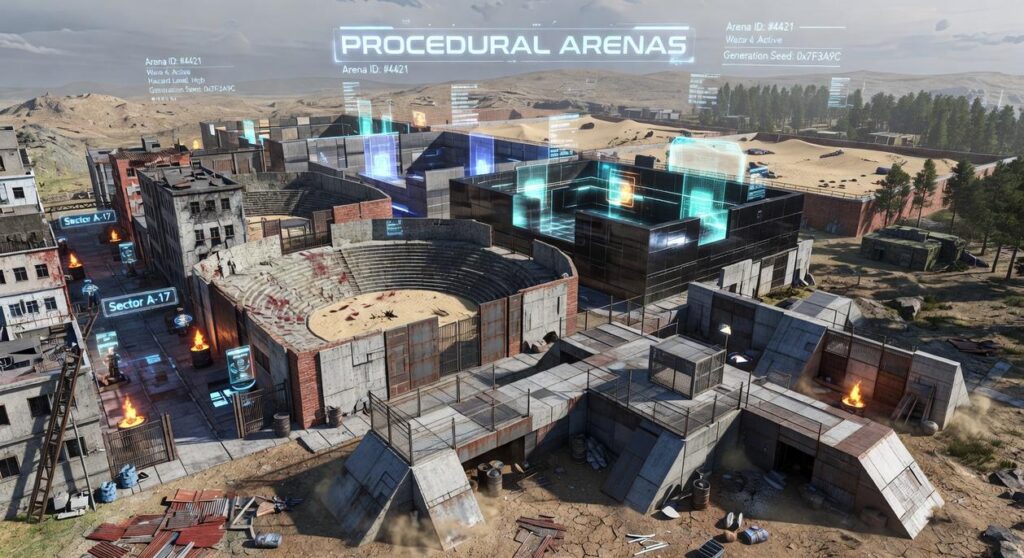
I still remember the first time I played a multiplayer map that felt too perfect. Every choke point, every sniper lane, every resource spawn seemed intentional. It wasn’t handcrafted line by line—it was AI-driven Procedural Content Generation (PCG).
AI-driven PCG refers to systems that automatically create game content—levels, loot tables, enemy placements—while following predefined design rules and quality standards. In other words, it’s not “random maps.” It’s controlled randomness. Think of it like a dungeon master who improvises but still follows the rulebook (no dragons in a starter cave… unless you enjoy chaos).
Competitive Balance at Scale
In competitive circuits, balance is everything. AI can generate and simulate thousands of map variations, testing sightlines, travel times, and spawn advantages. Developers analyze win-rate spreads and engagement heatmaps to identify fair layouts. Some argue handcrafted maps are superior because designers understand nuance better. Fair point. But when AI can stress-test millions of match scenarios overnight, it adds statistical rigor humans simply can’t match. That scalability matters—especially as highlighted in esports growth statistics where competitive gaming is headed next.
Endless Replayability
Roguelikes like Hades thrive on AI-powered PCG, ensuring no two runs feel identical. Increasingly, AAA titles use similar systems to refresh open worlds dynamically. The result? Replayability without bloated development cycles (your storage drive says thanks).
Optimization Tip
From personal prototyping experience, simple AI constraints make all the difference. Define solvability rules—guaranteed key placement before locked doors, controlled enemy difficulty curves, bounded resource scarcity. Pro tip: simulate thousands of automated playthroughs to validate fairness before launch. That’s ai in game development at its most practical.
Automated playtesting has quietly become a superpower for modern studios. Instead of relying solely on human QA teams, developers train AI agents to run through levels millions of times, stress-testing physics, combat, and edge cases at machine speed. As a result, bugs that would take weeks to surface appear in hours. That means tighter launches and fewer day-one patches for players.
Meanwhile, exploit detection becomes proactive. By simulating extreme, even “cheesy” strategies, AI uncovers game-breaking loops, economy glitches, and unfair advantages before they hit ranked ladders. In competitive titles, that’s the difference between a thriving esports scene and a balance nightmare.
Then there’s data-driven balancing. During betas and live seasons, AI models analyze win rates, pick rates, damage curves, and player behavior. Consequently, designers receive clear recommendations for weapon tuning and ability cooldowns, not gut feelings. This is where ai in game development shifts from hype to measurable advantage.
Ultimately, robust AI testing gives studios a competitive edge. Players get fairer metas, smoother updates, and tournaments decided by skill, not exploits. For anyone aiming at serious competition, that’s not optional, it’s foundational. And players reap the rewards every single match they queue into. Consistency builds trust and long-term loyalty. Too.
The Creative Co-Pilot
In pre-production, speed is leverage. Generative tools now help teams visualize worlds before a single hero asset is built. For example, a designer can generate 50 rock textures in minutes, then an artist selects the best five and refines lighting, scale, and wear. Consequently, iteration shrinks and creative momentum grows. Critics argue ai in game development risks replacing artists; however, it primarily removes grunt work, freeing humans to focus on style, storytelling, and polish. That means art direction, faster pitches, and room for experimentation (think Pixar story reels). Pro tip: set prompts and boards to guide outputs.
Your Next Move in an AI-Driven World
We’ve explored how smarter NPCs, procedural balance, and automated testing reshape games. However, what most outlets miss is the player’s competitive edge: recognizing these systems in action. The rise of ai in game development isn’t just a studio story; it’s your strategy guide.
Consider:
- Adaptive enemies that punish predictable play.
- Procedural maps that reward spatial awareness.
- Dynamic weapon tuning that signals balance philosophy.
Admittedly, some argue design stands alone. Yet, understanding the tech sharpens your eye for quality and replayability. So, next time you play, look closer. Patterns reveal mastery.
As AI reshapes the landscape of game development, enhancing everything from enemy behavior to immersive narratives, it also plays a crucial role in optimizing gameplay, which ties perfectly into our exploration of the Best Graphics Settings for Balancing Visuals and Performance.
Level Up Your Competitive Edge
You came here to cut through the noise and truly understand what’s driving today’s competitive gaming scene—from smarter mechanics to evolving multiplayer arena tactics and the growing impact of ai in game development. Now you have a clearer picture of how these elements shape performance, rankings, and long-term success.
The real pain point isn’t lack of passion—it’s falling behind. In competitive circuits, small strategic gaps turn into major losses. Outdated tactics, unoptimized settings, and ignoring emerging tech can cost you matches you should be winning.
The solution is simple: stay informed, refine your mechanics, and adapt faster than the competition. Study the latest meta shifts. Fine-tune your game optimization. Analyze multiplayer strategies that top players are using right now.
If you’re serious about climbing the ranks and dominating your arena, don’t stop here. Dive deeper into the latest competitive breakdowns, apply the optimization tips, and sharpen your tactics today. Join thousands of competitive players who rely on our insights to stay ahead—start upgrading your game now.