
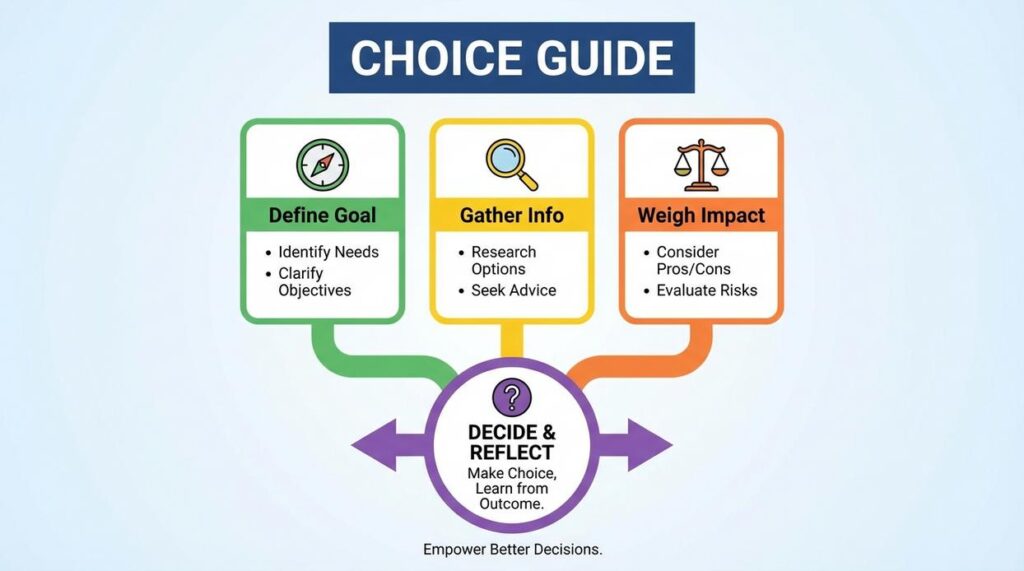
If you’re searching for a competitive edge in today’s fast-moving gaming landscape, you’re in the right place. From breaking game industry buzz to mastering core mechanics and refining multiplayer arena tactics, this article is built to give you practical, skill-boosting insights you can actually use. Whether you’re climbing ranked ladders, preparing for Zero1 competitive gaming circuits, or optimizing your setup for peak performance, we focus on strategies that translate directly into better results.
We analyze current meta shifts, high-level play patterns, and proven optimization methods used by top competitors to ensure the information here reflects what’s working right now—not outdated theory. You’ll also gain insight into tournament bracket design and how competitive structures influence strategy, preparation, and long-term performance.
If your goal is to sharpen mechanics, outplay opponents, and compete smarter, this guide delivers clear, experience-backed direction to help you level up with confidence.
From Chaos to Champion: Your Blueprint for the Perfect Bracket
Exploring the intricate design of tournament brackets not only illuminates the strategic layers of competitive play, but it also sets the stage for understanding the essential roles within each team, as detailed in our piece on Role-Based Strategies: Tank, DPS, and Support Explained.
Have you ever wondered why some tournaments feel electric while others fizzle out by round two? The difference usually comes down to structure. Smart tournament bracket design balances fairness, pacing, and drama. A single-elimination bracket (one loss and you’re out) builds urgency, while double-elimination offers redemption arcs—think esports lower-bracket runs that shock the crowd.
But here’s the real question: are your matchups seeded logically, or randomly thrown together? Proper seeding—ranking players based on skill—prevents early clashes between top contenders. Establish rules early, define tie-breakers, and clarify scoring. Pro tip: test your bracket with mock data before launch.
Choosing Your Arena: Single-Elimination, Double-Elimination, or Round Robin?
Every tournament format tells a different story. Some reward endurance. Others reward perfection. The right choice depends on your player pool, schedule, and how much chaos you’re willing to tolerate (because yes, chaos will show up).
The Core Formats at a Glance
Single-Elimination: The High-Stakes Gauntlet. Ideal for large numbers of competitors and tight schedules. Pros: Fast-paced, every match has consequences. Cons: A single bad performance means elimination, which may not identify the absolute best player.
Double-Elimination: The Path of Redemption. The competitive standard for fairness. Pros: Allows a competitor to lose once and still fight back to win, providing a more accurate result. Cons: Requires nearly twice as many matches and is more complex to track.
Round Robin: The Ultimate Test of Skill. Best for small groups where a definitive ranking is needed. Pros: Every competitor plays every other competitor, leaving no doubt about the final standings. Cons: Extremely time-consuming and not feasible for large events.
Swiss System: The Balanced Approach. A non-eliminating format perfect for large fields like in TCGs or chess. Competitors are paired against others with the same win-loss record, ensuring progressively balanced matchups.
What Should You Choose?
If you’re running a large open bracket with limited time, go Single-Elimination. It’s dramatic and efficient (think March Madness energy).
If competitive integrity matters most, choose Double-Elimination. Redemption brackets reduce fluke outcomes.
For small elite groups, Round Robin is king. No excuses. No luck shields.
For massive competitive circuits, pick Swiss. It scales beautifully while keeping matchups fair.
Pro tip: Always align format with player expectations. Nothing kills momentum faster than a structure that feels unfair.
The Art of Seeding: How to Engineer Exciting Matchups
Seeding is the process of ranking competitors and placing them into a tournament bracket based on proven skill level. In simple terms, it’s structured placement designed to protect competitive balance. As one tournament director put it, “Seeding isn’t favoritism—it’s architecture.” He’s right. Without it, brackets collapse into chaos (and not the fun, highlight-reel kind).
Why does this matter? Because proper seeding prevents your two strongest contenders from clashing in round one. Instead, it builds anticipation so the biggest showdown happens later—when stakes and viewership peak. Think of it like pacing in a blockbuster film; you don’t schedule the final boss fight in the opening scene.
The logic behind standard patterns like 1 vs. 16, 8 vs. 9 format is simple: reward performance. The top seed faces the lowest seed, theoretically earning an easier path early on. Meanwhile, mid-tier seeds battle closer opponents, creating tension from the start. “It’s about competitive integrity,” one esports coach explained. “The bracket should reflect performance, not randomness.”
There are only a few defensible ways to determine seeds:
- Previous season rankings
- Verified player statistics
- Measurable qualifiers like time trials
Using objective data ensures fairness. If no reliable data exists, random seeding is the only equitable fallback. Never seed based on personal opinion—bias erodes trust fast (and players will notice).
Some argue seeding removes unpredictability. But unpredictability should come from gameplay, not poor design. Engineer the structure well, and the drama will take care of itself.
The Rulebook: Logistics That Prevent Tournament Disasters
If you have ever run an event, you know the chaos rarely comes from gameplay. It comes from logistics. I learned that the hard way.
Handling Byes means planning for an odd number of competitors. A bye is a free pass to the next round, usually awarded to the highest seed to preserve competitive balance. Place byes at the top of the bracket so later rounds stay symmetrical. The first time I ignored proper tournament bracket design, mid rounds looked like spaghetti and players complained (rightfully).
Define tie breaker rules before anyone loads in. Overtime, point differential, or a specific stat metric must be locked in writing. Ambiguity kills trust. I once watched two finalists argue for twenty minutes because we had not clarified sudden death conditions.
Forfeits and no shows need a clear grace period, say ten minutes, and an automatic advancement rule. It respects everyone’s time.
Bracket visibility also matters. Physical boards create hype, but digital tools update in real time and reduce errors. Pro tip: always designate one bracket manager.
Preparation reinforces the key skills players need to succeed in competitive circuits.
Advanced Tactics: Multi-Stage and Consolation Brackets
Group Stage to Playoff Bracket formats blend endurance with drama. Teams battle in round-robin pools, then top performers advance to a single-elimination showdown. It’s the structure behind many global esports events, though I’ll admit seeding fairness is still debated. A strong group can feel like a punishment.
Consolation brackets keep energy HIGH after early losses. Instead of instant elimination, players fight for placement and pride. Benefits include:
- More match reps
- Clearer rankings
- Better audience retention
I can’t promise every community loves the extra games, but tournament bracket design often increases value.
Executing a Flawless Tournament Flow
You’ve seen how the right structure shapes everything. Choosing speed with Single-Elimination, fairness with Double-Elimination, or accuracy with Round Robin isn’t theory—it’s control. The benefit? Predictable momentum, happier players, and fewer disputes.
When you pair smart seeding with clear rules, chaos disappears. No awkward rematches. No confused byes. Just clean progression (the kind that makes organizers look like pros).
What’s in it for you?
- Smoother match transitions
- Stronger competitive integrity
- Better player retention
Pro tip: run a paper simulation of your tournament bracket design before launch. A quick dry run exposes logic gaps early—saving time, credibility, and stress.
Dominate Your Next Competitive Run
You came here to sharpen your edge—whether that means understanding core mechanics, refining multiplayer arena tactics, or mastering tournament bracket design to outplay the competition. Now you have a clearer roadmap for turning raw skill into consistent wins.
The biggest frustration in competitive gaming isn’t lack of effort—it’s putting in hours without seeing results. Misreading matchups, poor bracket preparation, and inefficient optimization can stall your climb and cost you crucial victories. That stops here.
With the right strategies, smarter prep, and a structured approach to competition, you can control the pace of your matches instead of reacting to them. Competitive circuits reward players who prepare differently—and execute better.
If you’re serious about breaking plateaus and winning more consistently, start applying these tactics in your next session. Study your match flow, refine your setups, and optimize your loadouts before queueing up again.
Don’t grind blindly. Level up with proven competitive insights trusted by dedicated players across the scene. Dive deeper now, sharpen your strategy, and take your next win with intention.