Staying ahead in today’s fast-moving game industry takes more than just playing often—it requires understanding trends, mastering mechanics, and sharpening your competitive gaming skills with purpose. If you’re here, you’re likely looking for insights that go beyond surface-level tips—whether that’s breaking down core gameplay systems, refining multiplayer arena tactics, or gaining an edge in competitive circuits.
This article delivers exactly that. We analyze current game industry buzz, dissect the mechanics that separate casual players from top performers, and explore practical optimization strategies that translate directly into better in-game performance. From tactical decision-making in high-pressure multiplayer arenas to smarter training approaches for ranked and tournament play, everything here is designed to help you compete at a higher level.
Our insights are grounded in hands-on gameplay analysis, close observation of competitive circuits, and continuous study of evolving meta strategies—so you’re not just keeping up with the game, you’re staying ahead of it.
Hit a wall lately? That frustrating plateau where your rank won’t budge is common in competitive gaming. Simply grinding more matches rarely fixes it. Instead, adopt a structured plan.
First, isolate mechanics: spend 20 focused minutes daily on aim drills or movement reps, tracking accuracy percentages. Next, sharpen game sense by reviewing one replay after every session, noting positioning errors and missed rotations. Then, train mental fortitude with reset routines—deep breaths between rounds, short breaks after losses.
Finally, optimize your system settings and schedule deliberate practice blocks. Consistent refinement of competitive gaming skills separates contenders from champions. Every single time.
Beyond Raw Talent: Deconstructing Mechanical Skill
Mechanical skill refers to the physical execution of in-game actions—your aim, movement, timing, and ability combos. In simple terms, it’s how accurately and efficiently your hands translate intention into on-screen results. Think of it as the difference between knowing what to do and actually doing it under pressure (like pressing the right button in a boss fight instead of panic-rolling off the map).
However, “good aim” is often misunderstood. Aim isn’t one skill—it’s a bundle of micro-skills. Tracking is smoothly following a moving target. Flick shots are rapid, precise cursor jumps to a target. Micro-adjustments are tiny corrections after a flick to secure the hit. Training these separately—using aim trainers or in-game practice modes—creates measurable improvement. For example, dedicate 10 minutes to tracking drills, then 10 to flick consistency before entering live matches.
Muscle Memory and Perfect Practice
Muscle memory is your brain’s way of automating repeated movements so they require less conscious thought. Neurologically, repeated actions strengthen neural pathways (a process called myelination), making movements faster and more reliable (Fields, 2008). As a result, you free up mental space for strategy instead of obsessing over crosshair placement.
That said, repetition alone isn’t enough. “Perfect practice” means breaking complex combos into smaller components. Drill the timing first. Then add movement. Finally, simulate match pressure in a controlled setting. Only after consistency should you apply it in ranked play.
Some argue mechanics matter less than game sense. Strategy is crucial, yes—but without reliable execution, even the smartest plan collapses. In the end, refined mechanics amplify all your competitive gaming skills.
Pro tip: Record practice sessions and review missed shots in slow motion—it reveals flaws you won’t notice mid-game.
Winning Before the Fight: Cultivating Elite Game Sense
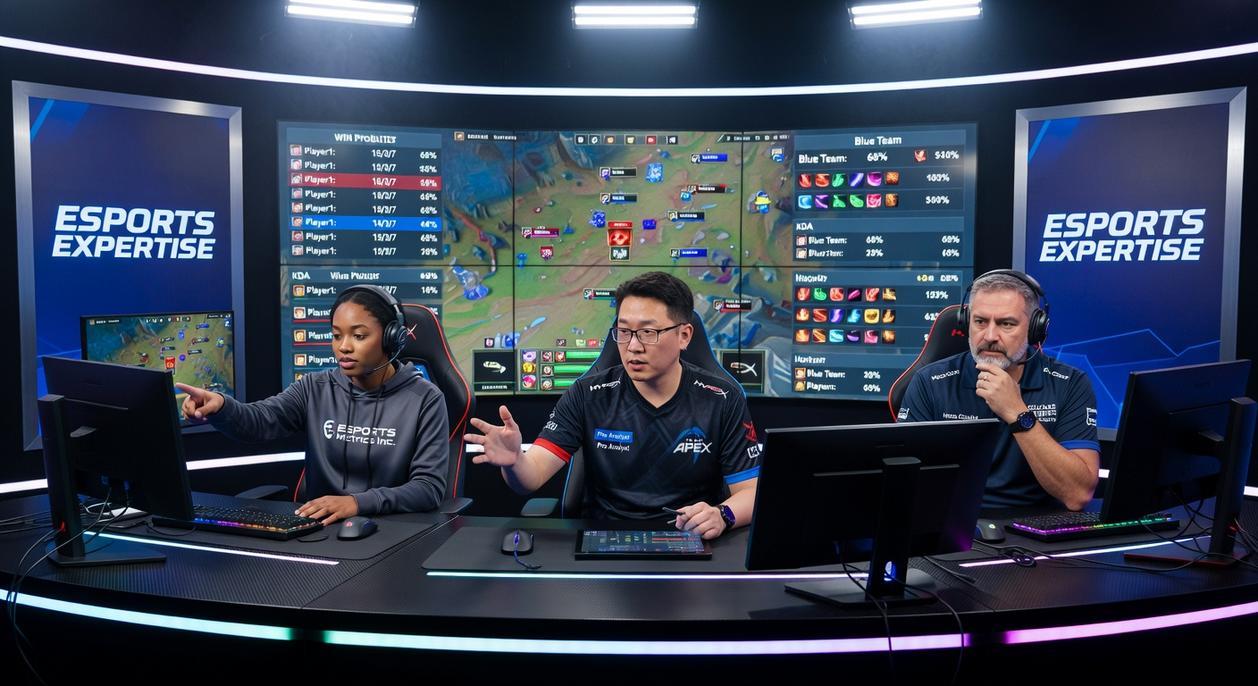
Game sense—often called Game IQ—is the strategic brain behind your mechanics. If mechanics are your aim and button speed, game sense is your decision-making engine. It’s the ability to predict enemy behavior, manage risk, and choose the right action before chaos breaks out. Think of it like chess at 200 miles per hour (yes, it’s that intense).
The fastest way to sharpen it? VOD (Video on Demand) review. A VOD is simply a recorded match you can replay and analyze. Instead of asking, “Did I miss that shot?” ask clearer questions:
- Was my positioning safe and purposeful?
- Did I rotate at the right time—or too late?
- How did I manage key resources like cooldowns, economy, or ultimates?
Focus on decision points—moments where you had options. That’s where growth hides.
When studying pros, don’t just admire flashy plays (we’ve all been there). Pause and ask: Why did they rotate early? Why hold that ability? Why take that off-angle? Often, the answer ties to map control, information advantage, or reading the opponent’s habits.
Understanding the current meta—the “most effective tactics available”—is equally critical. The meta reflects dominant strategies shaped by patches, balance changes, and evolving trends. Some argue copying the meta limits creativity. Fair. But ignoring it entirely? That’s like bringing a knife to a laser fight. Learn it first—then adapt or counter it.
Refining game sense strengthens your competitive gaming skills far beyond raw mechanics. And once your decisions improve, you’ll notice something powerful: you start winning fights before they even begin.
The Athlete’s Mindset: Mental Fortitude and Physical Health
At the highest level, the real battleground isn’t just the screen—it’s the space between your ears. Mental fortitude (the ability to stay focused and resilient under stress) is the invisible muscle behind elite play. Think of your mind like a shock absorber on a race car: without it, every bump—every mistake—throws you off course.
Tilt—an emotional spiral after a setback—is the cracked foundation that collapses performance. Some argue that raw talent alone wins matches. But even prodigies crumble under pressure. Techniques like controlled breathing, short mental resets between rounds, and reframing mistakes as data points (not disasters) keep you steady. It’s less “I blew it” and more “noted—adjust trajectory.”
Physical health is the engine. Sleep improves reaction time and decision-making (Walker, 2017). Proper nutrition stabilizes energy levels, and regular exercise enhances cognitive flexibility (Ratey, 2008). You wouldn’t run a marathon on junk fuel—why expect peak competitive gaming skills on three hours of sleep?
To avoid burnout, build structure like a training camp:
- Scheduled practice blocks
- Intentional breaks
- Non-gaming activities to reset dopamine levels
Some dismiss this as overkill. But just look at how competitive gaming circuits are structured from qualifiers to finals: endurance decides champions. Treat your mind and body like championship equipment (because they are).
Gaining Milliseconds
Even elite reflexes fail when hardware bottlenecks performance. A sub‑optimal setup—meaning components that limit output below their potential—creates latency (delay between action and on‑screen response) that no amount of competitive gaming skills can overcome. However, most guides stop at “buy better gear.” Instead, start here:
- Stable FPS matching monitor refresh rate
- Low input lag peripherals
- Wired, reliable internet
Next, tune in‑game settings: lower unnecessary graphics, lock consistent sensitivity, refine keybinds for muscle memory. Finally, prioritize ergonomics—proper chair height, wrist alignment, screen distance—to prevent strain during long sessions. Pro tip: disable background apps to reduce hidden resource drains quietly.
Improvement isn’t a mystery; it’s a system. First, refine mechanics—the execution of in-game actions with speed and accuracy. Next, sharpen game sense, your ability to read patterns and predict outcomes. Then protect mental and physical health, because burnout kills progress faster than any opponent. Finally, optimize settings and routines so your environment supports performance.
I learned this the hard way. I once drilled mechanics endlessly while ignoring rest and strategy; my competitive gaming skills plateaued. Meanwhile, others with balanced routines surpassed me.
So, build a weekly schedule allocating time to each pillar. Consistent, disciplined effort—not raw talent—wins long term consistently.
Level Up Your Next Match
You came here to sharpen your edge, refine your strategies, and understand what truly separates average players from elite competitors. Now you have the insights—clear tactics, smarter decision-making frameworks, and optimization tips designed to elevate your competitive gaming skills.
The frustration of plateauing, losing close matches, or feeling outplayed in high-stakes arenas is real. Falling behind in evolving metas or missing small mechanical adjustments can cost you wins. The difference between grinding endlessly and progressing strategically is knowing exactly what to focus on—and executing with precision.
Now it’s time to act. Start applying these tactics in your next matches, refine your loadouts, analyze your gameplay, and commit to structured improvement. Join the Zero1 competitive gaming circuits, test your progress against serious opponents, and push your limits in real competitive environments.
If you’re ready to stop guessing and start winning, plug into the #1 trusted source for arena tactics and optimization insights. Take control of your growth, sharpen your competitive gaming skills, and step into your next match prepared to dominate.