
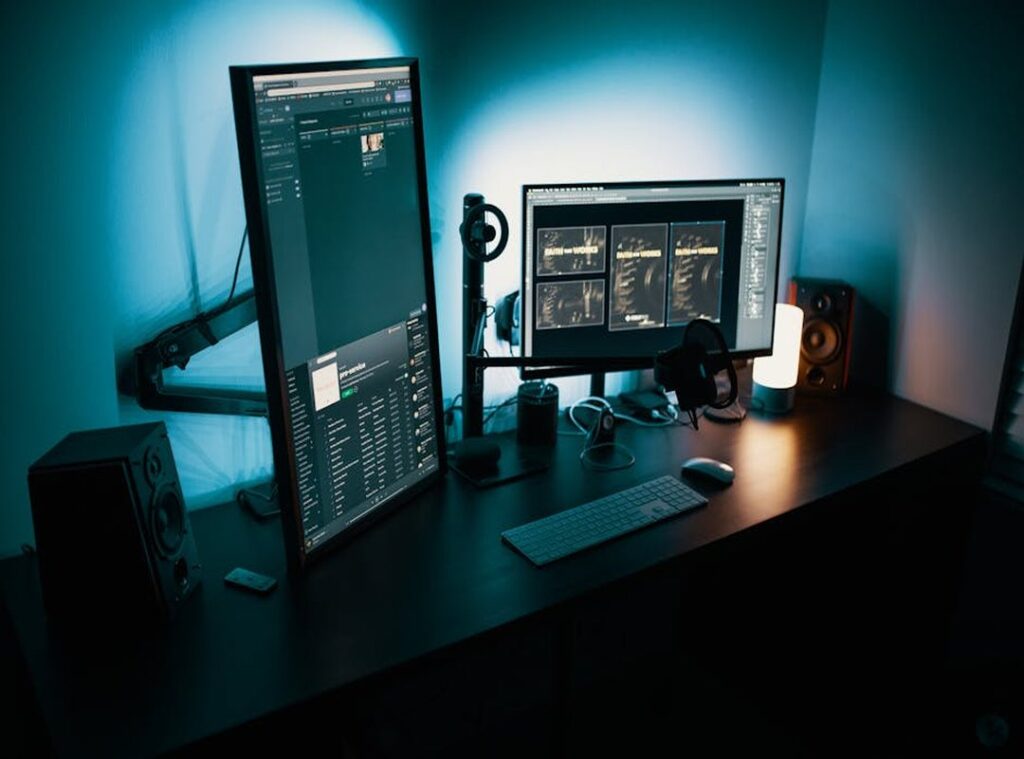
My GPU just died. Again.
And I swear, every time I go to replace it, ten new models drop and half the reviews are sponsored.
You feel that too, right? Like no matter how fast you move, the tech race leaves you behind.
I’ve spent eight years testing gear. Not reading press releases (plugging) in headsets, swapping mice, burning in SSDs until they hiccup.
This isn’t another list of shiny things you’ll never buy.
It’s a tight, honest look at what actually matters right now.
Technologies Hearthssgaming isn’t about hype. It’s about what makes your game run smoother, feel sharper, or just stops pissing you off.
No fluff. No jargon. Just what works (and) why it works for you.
I’ll show you exactly which upgrades pay off. And which ones waste your cash.
Let’s get you back in the game.
Visual Fidelity: It’s Not Just Pretty
I used to think 60Hz was fine. Then I played Valorant at 144Hz. My hands knew before my brain did (targets) felt closer, reactions felt faster.
That’s not hype. It’s physics.
High refresh rates (144Hz+) mean your screen updates more times per second. You see movement sooner. You act sooner.
In fast shooters, that gap between seeing and shooting is where wins live.
OLED? True blacks. Not dark gray. Black. Like turning off a light.
Horizon Forbidden West at night. The stars pop because the sky isn’t glowing behind them. HDR makes that pop real.
Not just brighter. More true.
You’ll notice it in shadows under ruined buildings. Or sunlight hitting metal. Not every game uses it well.
But when it clicks? Yeah.
AI upscaling (NVIDIA) DLSS. Is not magic. It’s smart guesswork.
Your GPU renders fewer pixels, then fills in the rest using trained models. You get higher frame rates. And yes, sometimes you spot a shimmer on a fence.
But in most games? You won’t care. You’ll just feel smoother.
FSR does something similar. Less precise than DLSS, but works on older cards. Both let mid-tier hardware punch above its weight.
Ray tracing is next-gen lighting. It simulates how light bounces (realistically.) Reflections in puddles. Soft shadows from overhead lights.
It matters most in story-driven, atmospheric games.
Cyberpunk 2077 with ray tracing on? The rain on neon signs isn’t just texture. It moves with you.
Control? Every hallway feels like a stage lit by invisible hands.
Don’t turn it on for competitive shooters. It costs frames. Save it for games where mood matters more than milliseconds.
Hearthssgaming covers this stuff without fluff.
Some sites overhype ray tracing. Others ignore refresh rate entirely. Neither helps you pick the right monitor or GPU.
You don’t need all of it. Pick one thing that bugs you right now. Fix that first.
Is your game blurry during quick turns? Try a higher refresh rate.
Is everything washed out? Look at OLED or HDR support.
Does your GPU choke on new releases? Try DLSS or FSR.
Immersive Soundscapes: Hearing the Difference
I used to think graphics were everything. Then I played Hellblade with headphones on and realized I’d been ignoring half the game.
Audio is the most underrated part of immersive gaming. Not just background music (the) direction, the weight, the silence between footsteps. You feel it in your ribs before your eyes catch movement.
Spatial audio isn’t magic. It’s math. It tricks your brain into hearing sound as if it’s coming from above, behind, or just past your left ear.
Dolby Atmos for Headphones does this by simulating speaker positions (even) though you only have two drivers.
Try it in a shooter. A grenade ping isn’t just louder (it’s) left and high. You duck before you see the flash.
Standard headsets? They flatten everything. One dimension.
Like watching a storm through frosted glass.
A high-fidelity gaming headset uses better drivers and wider soundstage. That means separation (you) hear the creak of a floorboard and the breath behind you, not just a mushy “noise.”
And then there’s haptics. The PS5 DualSense isn’t vibrating (it’s) pushing back. Rain feels like static.
Drawing a bowstring has tension. You don’t just watch the world (you) lean into it.
Some people still ignore audio. I get it. Graphics sell consoles.
But immersion starts where sight ends.
Technologies Hearthssgaming won’t fix bad audio design. Nothing will.
So turn off the TV. Put on good headphones. Play Return of the Obra Dinn with volume up.
Ask yourself: when was the last time sound made your pulse jump?
Not the music. The footsteps.
Input, Storage, and Wi-Fi: Where Speed Actually Lives
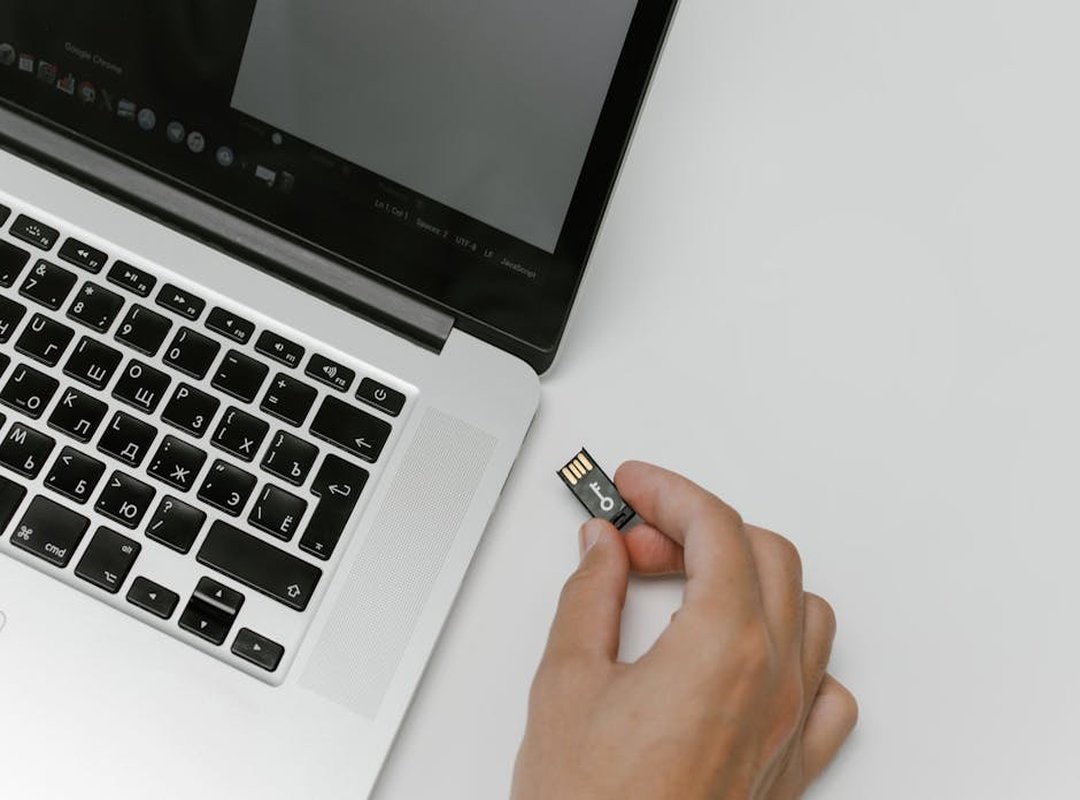
I type fast. You probably do too. But if your keyboard uses rubber dome switches, you’re adding 5 (10ms) of delay per keypress.
That’s not theoretical. It’s measurable. Optical switches cut that in half.
They don’t bounce. They don’t wear out like mechanical ones. And they fire the moment light breaks (not) when metal contacts scrape.
Low-latency wireless mice? Same idea. Most Bluetooth mice run at 8 (12ms.) A good 2.4GHz model with polling at 1000Hz sits at 1ms.
That difference shows up when you flick to a target and feel the cursor land.
You notice it before you think about it.
Now (storage.) Your game doesn’t load from RAM. It loads from disk.
HDDs average 100 (150ms) random read latency. SATA SSDs drop that to ~70ms. NVMe M.2 drives?
Often under 25ms. That’s why Cyberpunk loads in 8 seconds on NVMe and 42 on HDD. Not magic.
I covered this topic over in Strategies hearthssgaming.
Physics.
Wi-Fi 6 and 6E fix what Wi-Fi 5 ignored: congestion. More channels. Less interference.
Lower latency in apartments full of routers.
Wi-Fi 6E adds the 6GHz band. Wide open, no microwaves or baby monitors fighting for space.
If you’re on Wi-Fi 5 and blaming your ISP for lag spikes, you’re blaming the wrong layer.
Optical switches, NVMe drives, Wi-Fi 6E. These aren’t upgrades. They’re baseline tools for serious play.
Strategies Hearthssgaming covers how to align those tools with actual match flow. Not theory. Real session data.
HDDs still work. So do membrane keyboards. But why accept delay you can eliminate?
I wrote more about this in Strategy Games.
I swapped my old SSD last month. Load times dropped 60%. No settings changed.
Just faster hardware.
You feel it in the first dungeon load.
That’s not hype. It’s milliseconds adding up.
And yes (it) matters.
Cloud Gaming Isn’t Waiting for You
I tried Xbox Cloud Gaming on a 100 Mbps connection last week. It worked. Not perfectly.
But it worked.
GeForce NOW runs better than my five-year-old laptop for most games. That’s not hype. That’s just math and better encoding.
Latency still bites. But it’s not the dealbreaker it was in 2020. If you’re playing Elden Ring or Baldur’s Gate 3?
Fine. Smooth. Feels native.
Try Apex Legends? You’ll notice the delay. Not enough to quit.
But enough to lose the gunfight.
Generative AI isn’t just about prettier pixels (though DLSS helps). It’s about NPCs that remember your choices. Worlds that shift based on how you play.
Not just scripted branches.
That’s where Technologies Hearthssgaming starts getting interesting. Not just rendering faster. But reacting smarter.
Some studios are already testing AI-driven dialogue trees that don’t loop. No more “I must warn you…” spam.
It won’t replace writers. But it will break the illusion less often.
You want proof? Try Plan Games Hearthssgaming (then) compare how static the old ones feel.
Cloud gaming is here. It’s good enough. And it’s getting weirder.
Your Gaming Setup Isn’t Broken (It’s) Just Waiting
I’ve laid out the four things that actually move the needle: next-gen visuals, immersive audio, low-latency inputs, and future-forward platforms.
You don’t need all of it at once. You need one thing that stops holding you back.
Is your monitor dragging frames while your GPU begs for mercy? Is your headset muddying footsteps in ranked matches? Is your storage making you wait instead of play?
That lag isn’t normal. It’s a choice. And you’re done choosing poorly.
Technologies Hearthssgaming gives you real specs, not hype. No fluff. Just what works now.
Grab your current setup. Pick one weak spot from this guide. Then go fix it.
Your game deserves better. So do you.