
That click.
The one that snaps under your thumb like it was made for you.
Not the mushy tap of a touchscreen. Not the floaty drift of motion controls. Just clean, immediate feedback.
You know it when you feel it.
But finding that again? Good luck.
Most reviews just list specs. Or push whatever’s trending this month.
I’ve held every controller since the SNES pad. Tested them on couches, desks, laps, and floors. Played hundreds of hours with each.
Some felt right. Most didn’t.
This isn’t about hype or brand loyalty. It’s about what actually works in your hands.
We’re cutting through the noise on Manual Jogamesole.
No fluff. No jargon. Just real-world feel, real-world use.
By the end, you’ll know exactly what to look for (and) why it matters.
What Even Is a Manual Game Controller?
It’s a thing you hold. You press buttons. You move sticks.
You pull triggers. That’s it.
No waving your arms like you’re conducting an orchestra (looking at you, Wii). No tapping glass like you’re ordering coffee (mobile gaming, I’m talking to you). And no pretending your hands are floating in space (VR controllers.
Cool, but not this).
A manual game controller is physical. It’s tactile. It’s predictable.
I’ve used Joy-Cons mid-air and felt like a fraud. I’ve swiped on a phone screen and missed the jump. VR?
Great until your elbow hits the bookshelf.
This design stuck around because it works. Precision stays high. Reliability stays higher.
And muscle memory? That’s real. Your thumbs know where X is before your brain does.
Two layouts rule everything: symmetrical (DualSense) and asymmetrical (Xbox). One feels balanced. The other feels familiar (like) a glove that already knows your grip.
The Jogamesole fits right into that tradition. It’s built for direct input. No fluff.
No guesswork.
Manual Jogamesole? That’s just the full name. But you don’t need the label to feel it.
You hold it. You play. You forget you’re holding anything at all.
Anatomy of a Controller: What Actually Feels Right
I’ve replaced seven controllers in the last four years. Not because I break them. Because they stop feeling right.
Analog sticks are where most fail. Deadzone? That’s the lazy zone (the) tiny area where you nudge the stick and nothing happens.
Too much deadzone feels like driving with loose steering. I want near-zero. Smooth rotation matters too.
If it grinds or catches, your aim wobbles. Hall Effect sticks fix drift. They use magnets instead of physical contact.
No wear. No drift. Manual Jogamesole is one of the few that ships with them stock.
The D-pad isn’t just for menus. Fighting game players need it to register quarter-circles cleanly. A floating D-pad moves as one piece (better) for flicks and rolls.
Segmented ones click into each direction. Great for navigating settings. Terrible for Ryu’s Shoryuken.
Face buttons? Membrane = soft, quiet, mushy. Mechanical switches = crisp, fast, loud.
You feel every press. Competitive players choose mechanical. I do too.
There’s no going back once you’ve felt that snap.
Triggers split the crowd. Analog triggers read pressure. Important for braking in Gran Turismo.
Digital triggers are binary: on or off. Simpler. Faster for reloads in Call of Duty.
Trigger stops? They cut travel distance. Lets you fire faster.
I added them to my PS5 controller after losing two matches to slower ADS timing.
You don’t need all this. But if you play more than two hours a week, you’ll notice the difference.
My pro tip? Test sticks before buying. Not online.
In person. Twist them. Press them.
Hold them for five minutes. Your thumbs will tell you what specs won’t.
Most people buy based on brand. I buy based on how it feels at 2 a.m. during round seven.
Why Your Fingers Need Buttons, Not Glass
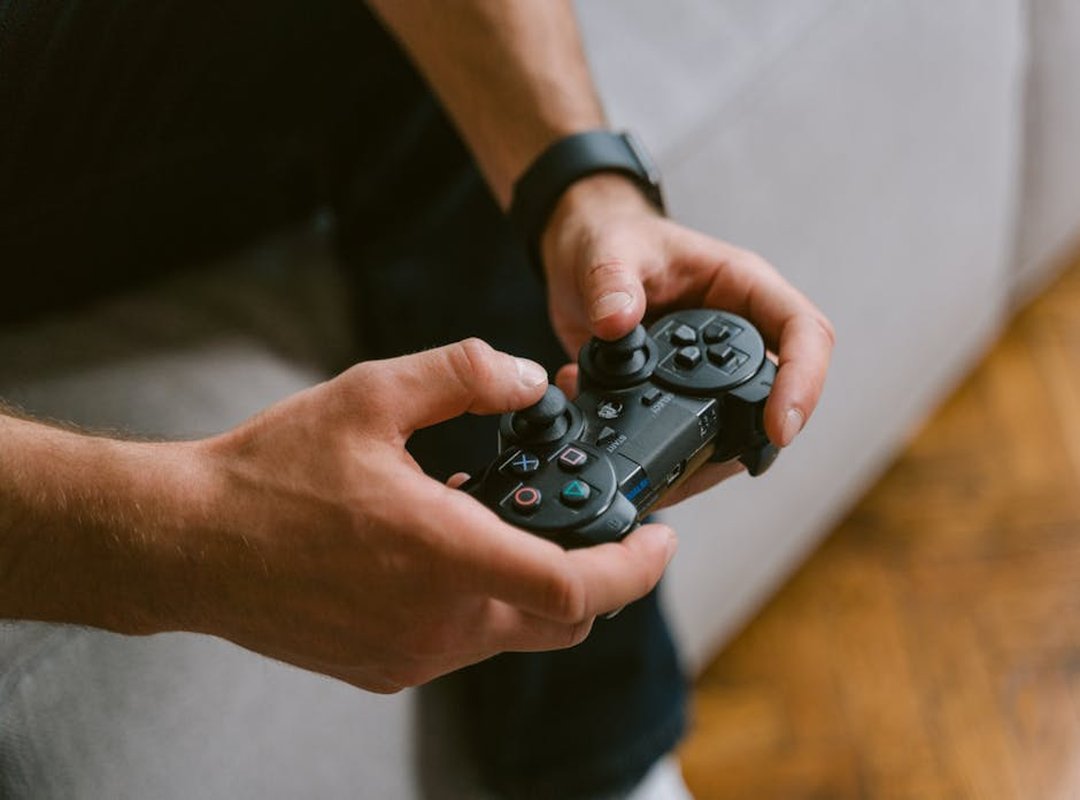
Touchscreens feel slick. Motion controls look cool in ads. Neither holds up when you’re trying to land a perfect parry in Street Fighter 6.
I’ve tried it. On mobile, that quarter-circle + punch combo? It’s a guessing game.
I wrote more about this in Jogamesole.
You swipe, the screen misreads your thumb, and Ryu does a sad little hop instead of a Shoryuken. (Yes, I yelled.)
A D-pad gives you tactile feedback (physical) stops, clear edges, instant confirmation. Your thumb knows exactly where it is without looking.
Same with FPS aiming. Try making micro-adjustments on a touchscreen. Now try it with a dual-analog stick.
One gives you drift and lag. The other gives you control down to the millimeter.
That’s precision. Not marketing fluff. Precision you earn with practice.
Muscle memory isn’t magic. It’s repetition wired into your hands. Pressing L2 to aim, R2 to shoot, flicking the right stick (that) sequence lives in your fingers now.
Not your brain. Your fingers.
Touchscreens erase that. Every tap resets the muscle loop. You’re relearning mid-fight.
Modern controllers didn’t just add rumble. They added layered haptics. A bowstring tension in Elden Ring.
Rain hitting your controller in Horizon Zero Dawn. That’s not vibration. It’s texture you feel.
It pulls you in without pulling your eyes away.
Motion controls? Fine for party games. Terrible for anything requiring timing or consistency.
(Remember Wii Sports Boxing? Exactly.)
If you’re serious about gaming. Not just scrolling through it. Skip the gimmicks.
Stick with what works. What’s been tested. What doesn’t make you fight your own input.
You already know this. You just needed someone to say it out loud.
For deeper setup tips. Like button mapping for competitive play or how to calibrate analog sticks. this guide covers the real stuff.
Manual Jogamesole isn’t a thing. Don’t waste time searching for it.
Use real hardware. Play real games. Feel the inputs.
Controller Shopping: Skip the Guesswork
I’ve bought six controllers this year. Three were wrong. You don’t need to repeat that.
First (platform) compatibility. Don’t assume it works everywhere. Xbox controllers mostly work on PC, but not all features fire up.
PlayStation’s DualSense needs extra setup on Windows. Nintendo Switch Pro? Great on Switch, weak elsewhere.
Multi-platform options exist. But test them first.
What games do you actually play? Not what you plan to play. FPS players need tight analog sticks and responsive triggers.
Fighting game fans need a D-pad that doesn’t mush. Racing? Triggers with travel matter more than you think.
Hold it in your hand before buying. Seriously. My hands are large.
I once ordered a tiny controller because it looked sleek online. Felt like holding a stress ball shaped like regret.
Wired or wireless? Wireless is convenient. Until the battery dies mid-boss fight.
Look for 15+ hour battery life if you go wireless.
Back paddles? Only useful if you actually remap them. Most people don’t.
And if you’re setting up something custom (like) the Manual Jogamesole. Start simple. Get the basics right first.
Need help with the basics? Set up Jogamesole walks you through it without fluff.
Your Hands Already Know What to Do
I’ve held too many controllers that fight me instead of helping.
A bad one kills rhythm. Slows reaction. Makes you second-guess your own thumbs.
The right one? It disappears. You stop thinking about buttons and just play.
That’s why Manual Jogamesole isn’t just another box on a shelf.
It’s the controller that matches your hands, your game, your platform. Not some generic promise.
You’re tired of scrolling through 47 nearly identical options.
Tired of buying, returning, repeating.
The checklist works. I’ve used it. So have hundreds of others.
It cuts through the noise. Fast.
Your fingers don’t lie.
Use the checklist above.
Narrow it down.
Buy the controller that fits you (not) the marketing.
Then play longer. Play better. Stop fighting your gear.