There’s a massive difference between dominating ranked matches and standing tall under tournament lights. Raw skill might carry you up the ladder, but it won’t guarantee results when pressure peaks and every mistake is punished. This guide closes that gap with a structured, step-by-step framework designed specifically for esports tournament preparation. Instead of grinding aimlessly, you’ll learn how to refine mechanics, sharpen strategy, and build the mental resilience required for high-stakes play. Built on proven methods from top-tier competitive circuits, this blueprint transforms unstructured practice into deliberate progress—so you can convert talent into consistent, championship-level performance.
Forging a Champion’s Mindset: The Mental Game
Talent is flashy. Mental discipline wins championships. I’ve seen mechanically gifted players crumble the moment pressure spikes. That’s not a skill issue—it’s a mindset gap.
Mastering Emotional Control
“Tilt” (emotional frustration that disrupts decision-making) is the silent rank killer. In high-stakes matches, adrenaline surges, hands shake, and performance anxiety creeps in. The fix isn’t suppressing emotion—it’s managing it. Simple breath resets between rounds lower cortisol levels (Harvard Health notes controlled breathing reduces stress responses). I recommend a 5-second inhale, 5-second hold, 5-second exhale. It sounds basic. It works.
Building Resilience
Losses sting. But a losing streak becomes dangerous only when ego joins the party. Instead of blaming teammates, review replays clinically. Ask: What was in my control? Constructive self-review builds resilience—the ability to recover quickly from setbacks. Think Rocky training after a loss (montage optional).
The Growth Mindset Advantage
Psychologist Carol Dweck defines a growth mindset as believing abilities can be developed. I firmly believe this separates contenders from champions. Study resources like understanding ranking systems in competitive gaming circuits to adapt strategically.
Visualization and Routine
Mental rehearsal primes neural pathways (Cleveland Clinic reports visualization improves performance). During esports tournament preparation, imagine clutch scenarios. Build pre-match rituals:
- Warm-up drills
- Music cues
- Focus triggers
Pro tip: Keep routines consistent but adaptable (chaos happens). Flow isn’t luck—it’s engineered.
Beyond the Patch Notes: Deconstructing the Competitive Meta
Systematic Meta Analysis
The meta (short for “most effective tactics available”) shifts whenever balance changes ripple through a game. To identify S-tier (top-performing), A-tier (strong but situational), and niche counter-picks, follow this process:
- Track pick/ban rates for two weeks after a patch.
- Compare win percentages at high ranks only.
- Note synergy patterns (what characters or loadouts win together).
If a hero shows high pick rate and high win rate, that’s likely S-tier. High pick but average win rate? Probably comfort, not power (yes, even if your favorite streamer swears by it).
VOD Review Mastery
Watching pro VODs isn’t about copying mechanics—it’s about decoding decisions. Pause before major fights and ask:
- Why rotate now?
- What vision or resource advantage triggered this?
- What risk are they accepting?
For esports tournament preparation, focus on early-game setups and objective timing—most matches are decided before the highlight reel moment.
Theory Crafting and Innovation
Counterargument: “Just play meta.” True, meta is safe. But innovation punishes predictability. Develop one off-meta pick that counters common drafts. Test it in ranked. Refine positioning and timing until it’s reliable.
Data-Driven Decisions
Use analytics sites to validate assumptions. If a counter shows 52%+ win rate into an S-tier pick across 1,000+ matches, that’s signal—not luck (Source: aggregated ladder data trends across major competitive titles). Pro tip: small data samples lie.
The Anatomy of a Perfect Practice Session
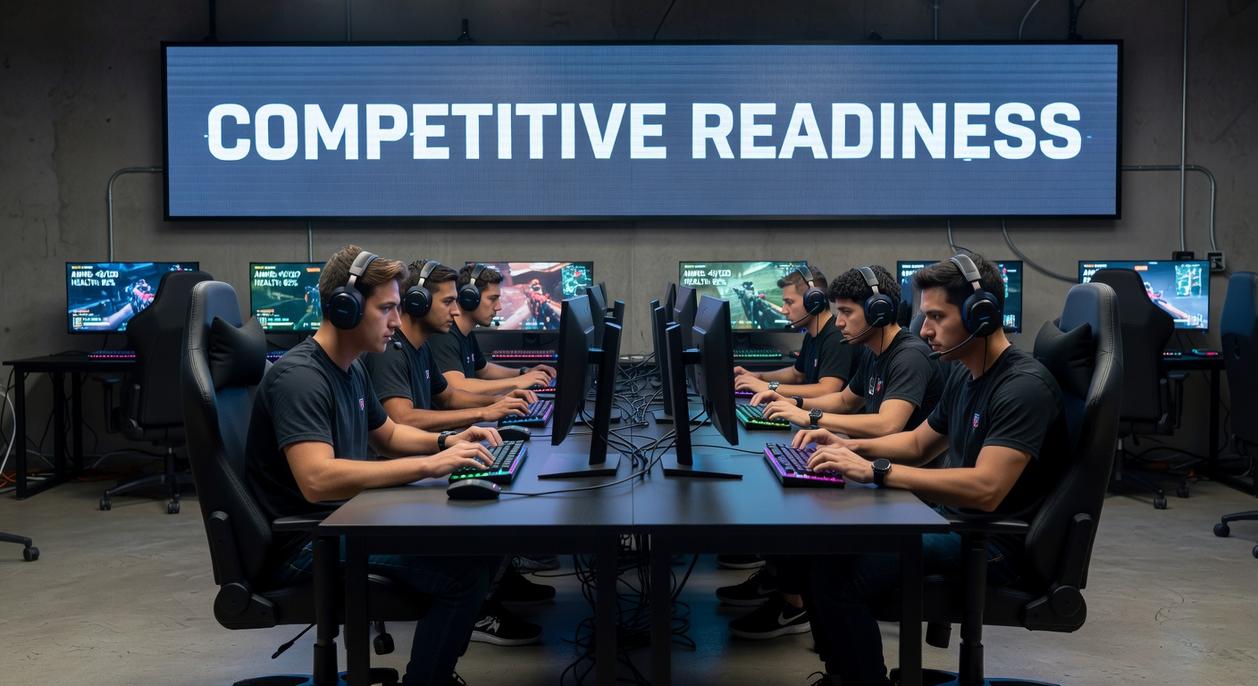
A perfect practice session isn’t about grinding ranked for six hours straight (we’ve all been there). It’s about structure. In other words, purposeful practice beats “just playing.” Queueing endlessly might feel productive, but without clear intent, you’re reinforcing habits—good or bad.
1. Start With Purposeful Practice
Before you even load in, define one focus. For example, instead of “win more games,” aim for “improve crosshair placement in tight corridors.” This shifts your brain from autopilot to active learning. Research on deliberate practice shows targeted repetition improves performance faster than unguided play (Ericsson et al., 1993).
2. Drill Core Mechanics First
Next, isolate fundamentals. Spend 20–30 minutes on aim trainers, combo execution, or movement patterns. Think of it like a musician practicing scales before a concert. If you’re a fighting game player, land a specific combo 10 times in a row before moving on. Pro tip: track your accuracy percentage daily to see tangible growth.
3. Scrims vs. Ranked: Choose Wisely
Scrims are ideal for team coordination and strategy testing. Ranked, on the other hand, sharpens adaptability and mechanical consistency under pressure. During esports tournament preparation, prioritize scrims for synergy and ranked for individual polish.
4. Set Measurable Goals
Make objectives specific and numeric:
- Achieve 90% accuracy in aim drills.
- Win 70% of early-game duels.
- Communicate cooldowns every fight.
Finally, avoid burnout. Schedule breaks, hydrate, and stop when focus dips (tilted practice is wasted practice). Consistency over chaos—that’s the real meta.
Executing on Game Day: Your Pre-Tournament Checklist
First, technical optimization. “If your FPS drops, your focus drops,” a teammate once told me after a brutal loss. He wasn’t wrong. Frames per second (FPS) measure how smoothly your game runs, and input lag is the delay between your action and on-screen response. Lower both. Update drivers, close background apps, and lock settings 24 hours before match time (last-minute tweaks are chaos in disguise).
Next, physical readiness. Sleep at least seven hours—studies show reaction time declines significantly with sleep deprivation (Sleep Foundation). Hydrate consistently and eat balanced carbs and protein. As one coach said, “You wouldn’t run a marathon on soda and vibes.”
Then, a 30-minute warm-up: 10 minutes aim drills, 10 minutes movement mechanics, 10 minutes live scrims. Think of it as syncing your hardware—hands, eyes, brain.
Finally, control your environment. Adjust chair height, reduce glare, silence notifications. Esports tournament preparation isn’t just digital—it’s physical (yes, even pro setups look boringly organized).
Your Path to the Podium Begins Now
You came here to figure out how to break past your competitive plateau—and now you understand that real progress comes from disciplined, structured esports tournament preparation across mental focus, strategy, and mechanics. The frustration of stalled improvement is real, but it’s not permanent. With the right framework, your daily practice turns into measurable gains and consistent wins. Don’t let another tournament expose the same weaknesses. Start today with one focused action—a 15-minute VOD review or a targeted mechanical drill—and build momentum. Players who commit to structured preparation rise. Take control now and begin your climb to the podium.